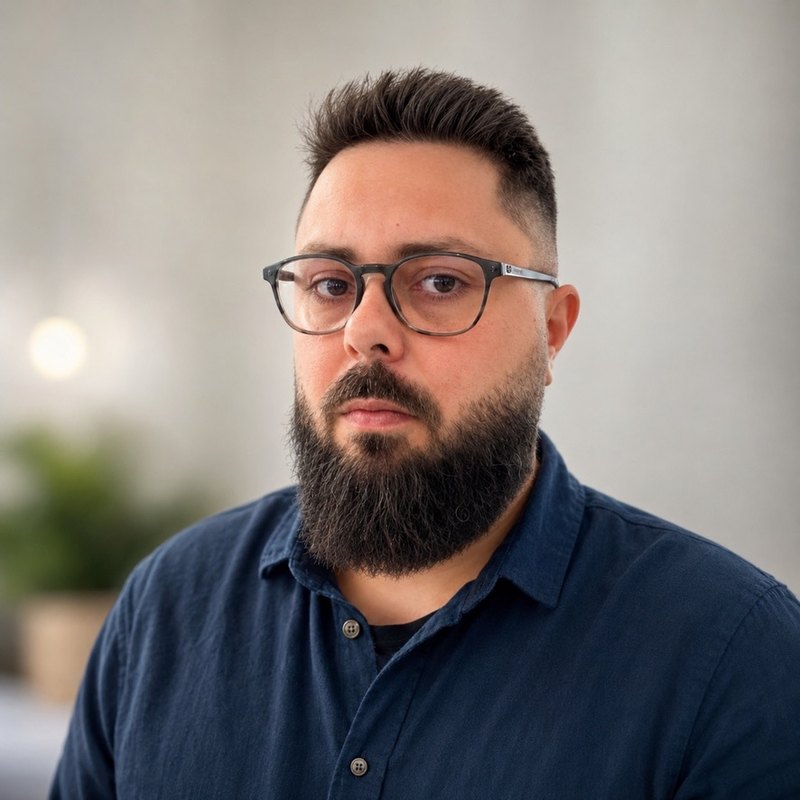
Emanuel Greucean

Senior Backend Engineer · Drupal Architect · Go, PostgreSQL, MCP

I'm a senior backend engineer in Timișoara, and Drupal has been part of every job I've had since 2009. Then I wanted to try my hand at other industry-leading technologies. I learned Go and PostgreSQL, gave WordPress a real chance on my own coffee roastery's shop, and with AI as my team I built products I didn't think one person could build.

Webbership is my company, WEBBERSHIP SRL, since 2013. Through it I worked twelve years on contract as a Drupal architect for Kalamuna, a US agency, and since 2026 Webbership is where I build my own products and take on client work.

emanuel@webbership.dev

Emanuel Greucean
Since
2009
Drupal
5 → 11
Go
3 live products
Base
Timișoara, Eastern European Time

What I do best

Drupal first, because I know it best. Then WooCommerce, and Go services with AI agents where they fit.

Drupal 6/7 → 10/11 migrations, rescues and custom modules

I've done Drupal for so long that its architecture is embedded in my brain. Migrations were the tedious part before AI, and today I'd run one faster and more reliably, with tests checking the result before anyone calls it done.

What leaving Drupal 7 involves

Drupal 10 → 11 upgrades, before Drupal 10 reaches end of life on 9 December 2026

For agencies I can work white-label, under your name. I spent twelve years on contract for a US agency, on every Drupal version from 6 to 11.

What changes on 9 December

WooCommerce custom plugins and integrations

I run my own roastery's shop on WooCommerce, so I write plugins for problems I have myself, from wholesale prices to courier labels and a Trendyol feed.

Go backend services and APIs, and MCP servers for AI agents

Since 2026 I've shipped three Go products. Two of them have MCP servers. Through them an AI agent can look up live sales or run ad campaigns, and nothing it changes goes through until I confirm it.

Experience

I've built for the web since 2009.

Jan 2014 – Dec 2025
contract, remote

Drupal Architect, Kalamuna (Oakland, CA)

I was architect and backend lead for a US agency, working from Romania with a Pacific-time team on Drupal 6 through 11, in PHP and Symfony.

GreenBiz, now Trellis Group, was my main client for most of those years. I carried its media and events platform through a two-stage Drupal 7 → 8 migration, more than 34,000 articles and dozens of microsites in one multisite, then looked after its custom code, events and sponsorship features included.

When the pandemic moved GreenBiz's conferences online, our team rebuilt the platform for virtual events and online sponsorship. Pantheon's case study on the project reported 10x event registrations.

Kalamuna taught me teamwork and persistence. I met a diverse crowd of wonderful people there, worked on interesting mission-driven projects, and grew as a person.

I reviewed code, mentored junior developers and helped them debug, across a 10-hour time difference.

Nov 2013 – present
remote

Founder & Product Engineer, Webbership

Since 2026 I've built Webbership's own products in Go, from the database schema to the Linux servers they run on. Three of them are live.

Earlier roles

  • Senior Drupal Developer, Auximus, Timișoara · Nov 2011 – Jan 2014 · I led the team's Drupal 6 and 7 work.
  • Drupal Developer, Space Rabbit, Timișoara · Sep 2010 – Nov 2011 · Drupal 6 backend, custom modules and integrations.
  • Web Developer, epoint · Aug 2009 – Aug 2010 · Drupal 5 and 6 site builds, custom modules and theming support.

On drupal.org since 2010.

What I love about Drupal

Everything on drupal.org is free and open source, under the GPL, made by the community for the community. There are no ten modules doing the same thing and no freemium plans.

The pieces fit together properly, because it's a real modular architecture, and it follows good practice like Composer for managing code.

As the Drupal community says, come for the code, stay for the community. I found that true at DrupalCon Munich in 2012, at DrupalCon Austin in 2014 and at local events, big and small.

Why I build in Go now

Go is compiled, so a deployed app is one binary with nothing else to install on the server. It's lean and fast, and goroutines make real parallel work simple.

To me it's the most useful language I have learned since C. webbership.app and Webbership Tracking each run as one Go binary on servers I manage.

I did the front-end myself too, because I was the whole team. I chose HTMX on purpose. Go renders the HTML on the server, so I write one language in one codebase. There's no front-end build and no client state to keep in sync. The pages stay small and fast.

React fits rich apps that live in the browser, with offline use and a lot of client state, and it has the bigger ecosystem. For admin panels, dashboards and forms backed by a Go server, HTMX got me there faster, with fewer moving parts for one person to look after.

What I've built and still run

The Go code sits in private repositories. The WordPress plugins are public on GitHub, so you can read them.

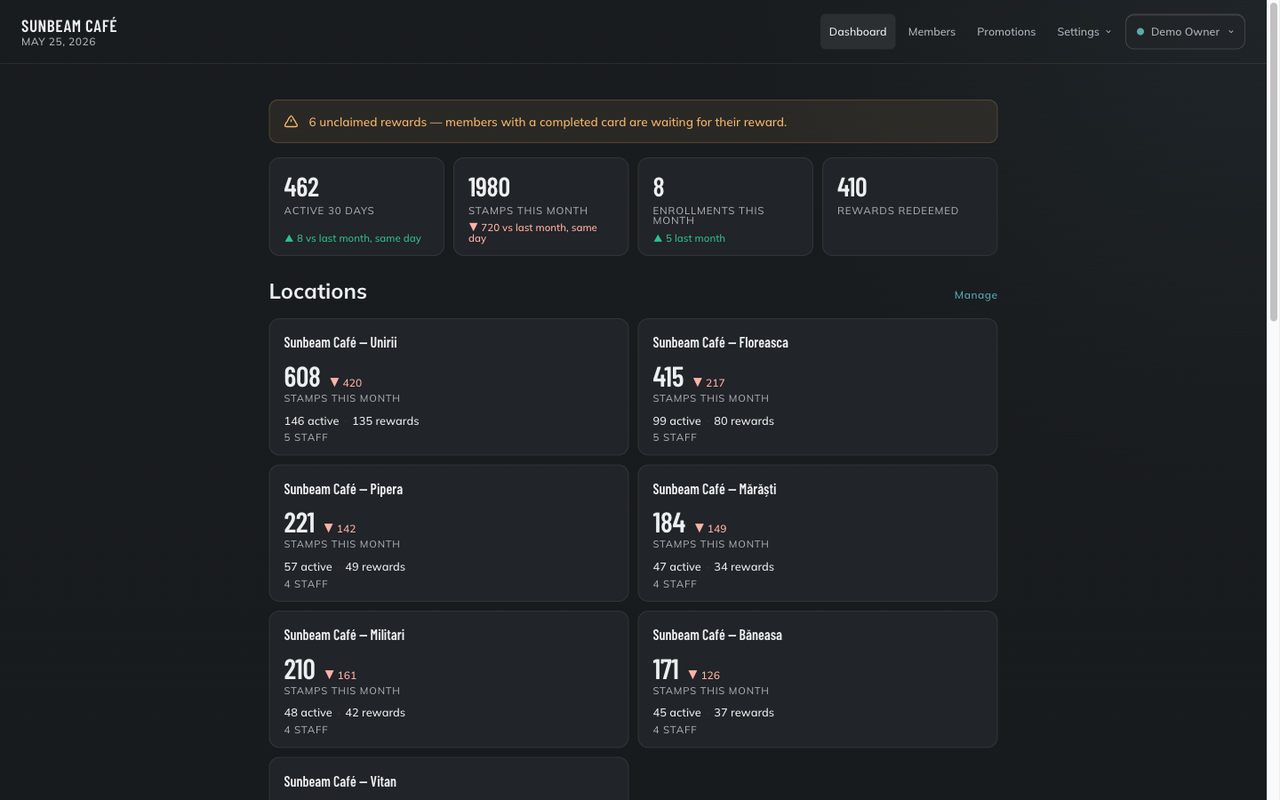
The webbership.app dashboard with loyalty statistics across several locations

Webbership.app

Live

Apple Wallet and Google Wallet cards that update on every stamp. One deployment serves many venues, and each one is kept apart as its own tenant.

Go, chi, PostgreSQL, PKCS#7-signed passes, APNs push
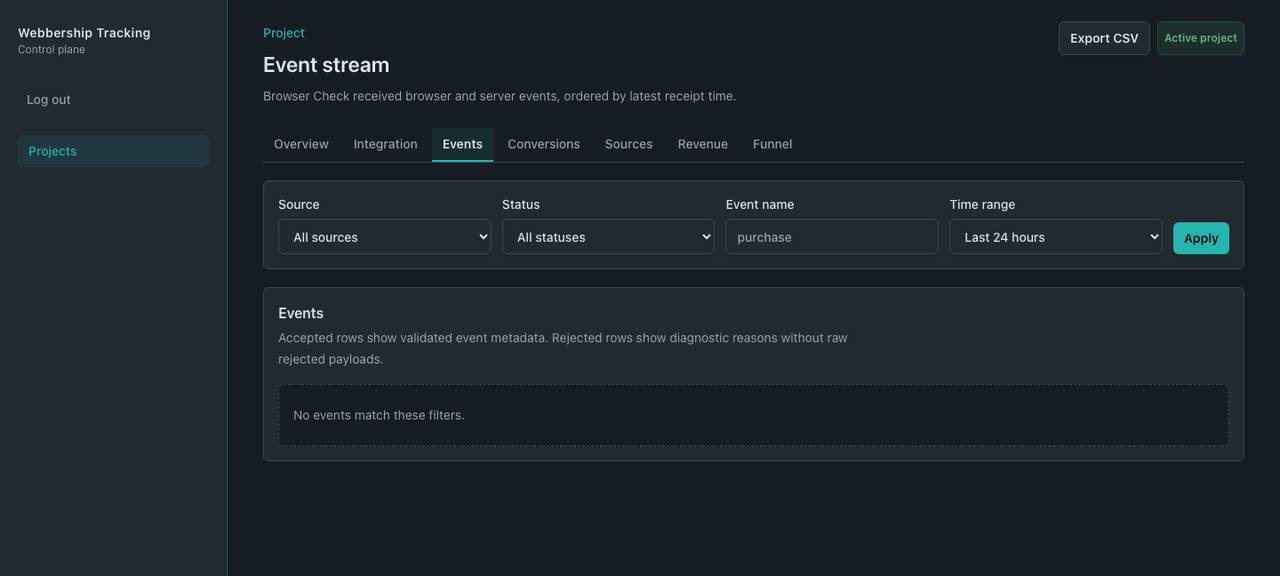
The webbership tracking control plane: the event stream, with tabs for conversions, sources, revenue, and funnel

Webbership Tracking

Live, internal

Server-side conversion tracking for ovride.coffee. An AI agent can run Google Ads, GA4 and Merchant Center through its MCP server, but a write waits for a preview or a dry run and then a confirm, and each call goes in a log.

Go, PostgreSQL, HTMX, MCP
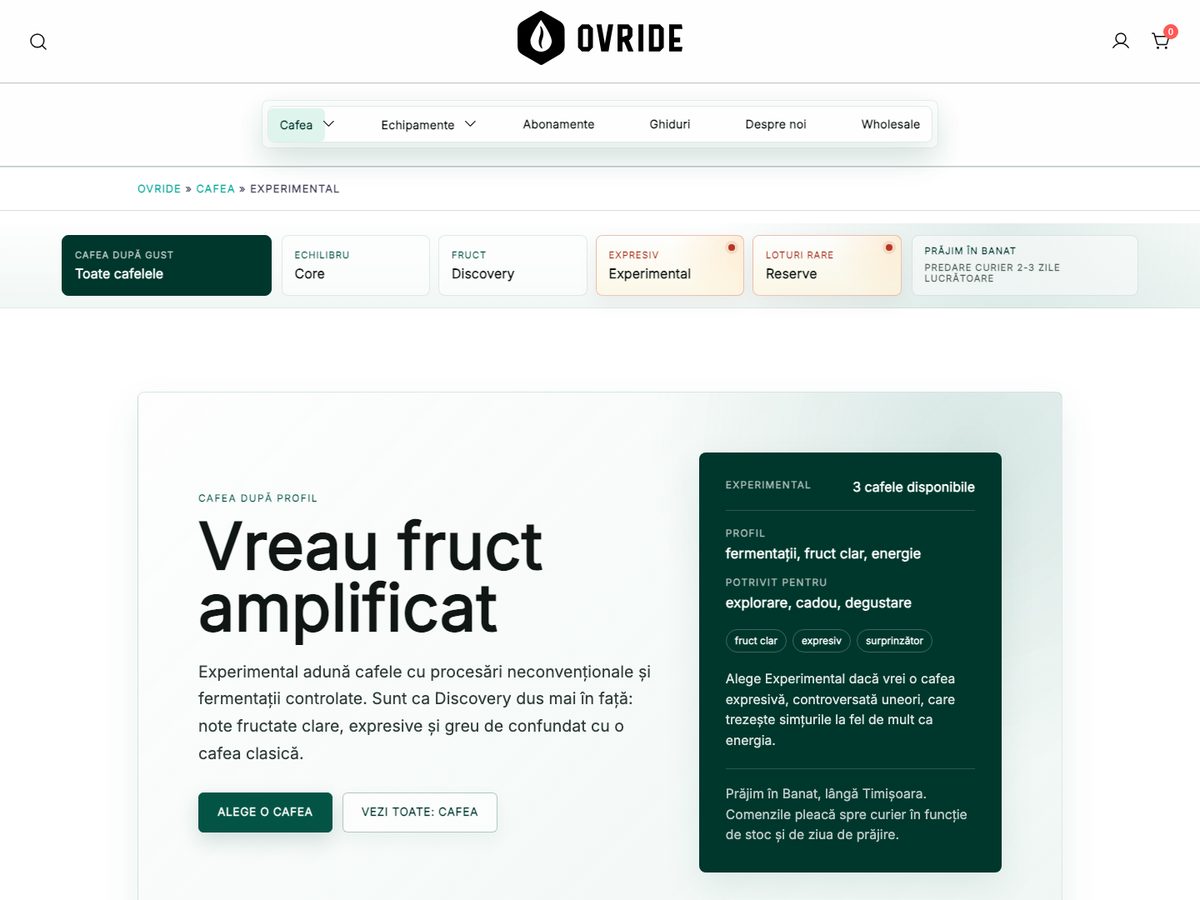
The ovride.coffee home page: the featured coffee, with tasting notes, price and add to cart right on the page

ovride.coffee

Live

Our roastery's WooCommerce store, on plugins I wrote, with an OAuth 2.1 server that lets AI agents use the store's tools.

WordPress, WooCommerce, PHP 8, MySQL

OVRIDE Ops

Operations for our café and roastery, with sales analytics, finance and supplier e-Factura invoices. Its MCP server is read-only, so an AI agent can answer questions about live sales and change nothing.

Live, internal Go, PostgreSQL, MCP

SmartShip for WooCommerce

A courier integration for WooCommerce that shows live rates at checkout and issues AWBs.

Public on GitHub PHP, WordPress, WooCommerce View on GitHub

Commission Rules for FluentAffiliate

Affiliate commission rules for FluentAffiliate, which I wrote for ovride.coffee.

Public on GitHub PHP, WordPress View on GitHub

How I work with AI

I work with AI the way a tech lead works with a team. After so many years of web development I know how the pieces fit together, so I decide what we build and how the parts connect.

The AI researches the options, writes the plan down, builds it and documents it. What would take a person hours to figure out takes it seconds, and it can pick up a tool it has never used without days of learning.

If code can check something, code checks it. I only ask the AI where it takes judgment. An agent that didn't write the work reviews it, one question at a time. Every check I add has a test that should pass and one that should fail.

Features that took a team weeks now take me days. They still go through review, tests and feedback rounds, held to the bar I'd hold a senior developer's work to.

  • Every change starts as a written plan, cut into small steps, because an agent left on one long run drifts off course.
  • I have separate reviewer agents for ordinary changes, for security changes and for the risky ones.
  • Tests decide when something is done, not the agent that built it.
  • Guard hooks hold any push to the main branch, deploy, SSH session or production database query until I say yes.

The short break from IT

I've always loved tech. When my twelve years of contract work ended in late 2025, I thought I'd take a short break from IT and give my time to OVRIDE, the specialty coffee roastery and café in Timișoara I co-founded in 2017.

I was an AI skeptic. Out of curiosity, and with some time on my hands, I gave coding with AI a proper try, and I changed my mind.

At first I hit the usual pitfalls of working with AI: lost context, confident mistakes. So I got ambitious, did more research, tried many tools and kept the few that held up. Along the way I understood how AI actually works and what proper agentic engineering is.

Now I build with that setup, and I'm going back to engineering full-time.

Contract or employment

  • Available now · remote · EU citizen, based in Timișoara
  • A B2B contract with EU invoicing through WEBBERSHIP SRL, including white-label work under your agency's name.
  • Or employment, full-time or part-time.
  • I work remotely from Timișoara, on Eastern European Time, which overlaps US Eastern mornings and the whole EU workday. I spent twelve years alongside a Pacific-time team.

Whatever else I am working on, your site, your store and their monthly care stay with WEBBERSHIP SRL, and with me.

Let's talk

Tell me what you're working on and when it has to be ready. A short call is usually the quickest way to see if we fit.

emanuel@webbership.dev

Webbership, my company, also builds websites for small businesses. Websites for businesses